
Related Issue
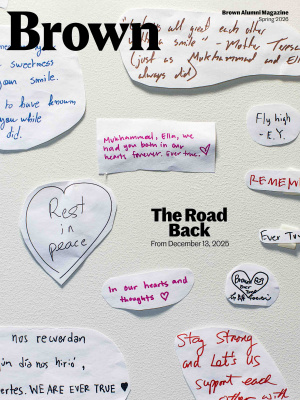
Spring 2026
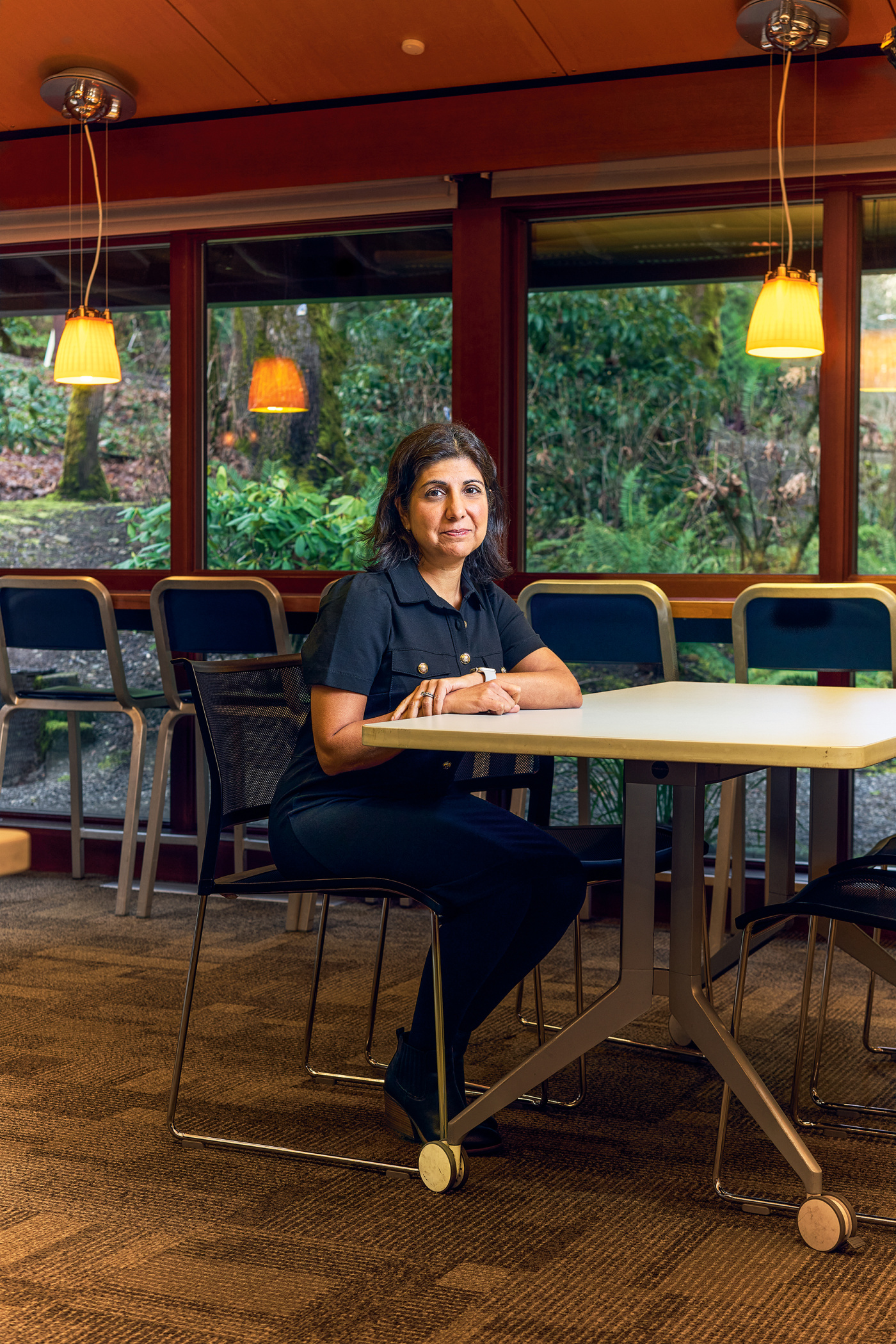
Dr. Nisha Bansal ’99 was devastated by the news of the December 13 shooting at Brown. The Seattle-based kidney specialist maintains strong ties to the University, serving on the board of the Brown Club of Seattle. The tragedy at Brown brought back unwelcome memories of another shooting. Bansal grew up in Newtown, Connecticut, and attended Sandy Hook Elementary School, where 26 people, including 20 children, were killed in the 2012 mass shooting.
“I know kids who were killed [at Sandy Hook],” Bansal said. “So when I heard about what happened at Brown, I thought, ‘Gun violence has hit yet another community I identify with so deeply.’”
She was quick to respond when she received an email from Zack Langway ’09, ’27 ScM, Brown’s vice president for alumni relations. After Brown canceled exams and ended the semester earlier than planned to allow students to leave campus, Langway surmised that many students might want to spend time with other Brown folks over the break. His team reached out to Brown’s vast alumni network about hosting gatherings, ultimately launching 40 of them worldwide, including two in London, one in Singapore, and one in Seattle hosted by Bansal.
Bansal brought cookies and sparkling water to a room at her local library and arranged a circle of chairs that expanded as 10 Brown students, ranging from first-years to seniors, arrived from across Washington state.
“I felt it was wrong of me to feel so upset because I hadn’t been at or near the shooting... But it still felt like someone had broken into my home and hurt people I really care about.”
“It was something I felt like I needed to do, and I love connecting with students,” she said. “Some of them knew each other already, but others were meeting for the first time.”
After everyone discussed their Brown experiences aside from the shooting—and after the students marveled at how Bansal and her Xennial friends had managed to function on College Hill without cell phones—the conversation shifted to how the students were processing the event.
“Some said they were happy to be away from campus, while others said they were tired of people back home asking, ‘What was it like?’” Bansal said.
“They wanted to get back to a place where people understood what they went through.”
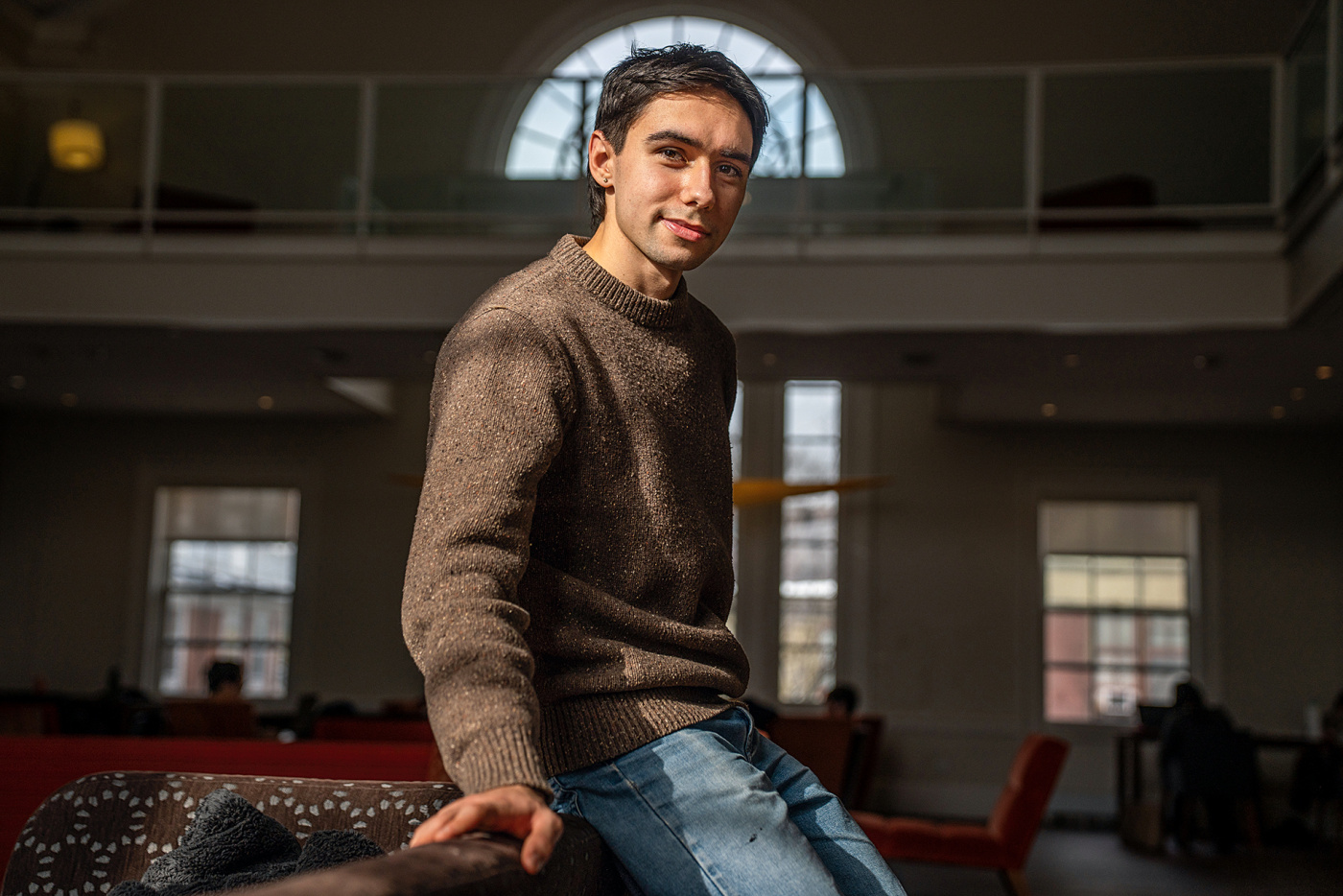
Phillip Meader Yetter ’26, a neuroscience concentrator from Linwood, Washington, who hopes to attend medical school next year, said that Bansal’s invitation “came at a good time.”
“I stayed in Providence after the shooting to do some volunteering at the Rhode Island Free Clinic—and it felt quite lonely because all my friends had left,” Meader Yetter said. “So the thought of being with people from Brown was enticing,”
He had been on a train when the shooting happened, headed back home from watching The
Nutcracker in Boston with his boyfriend. “We didn’t get back to Brown until the next day, which felt like a weird haze.”
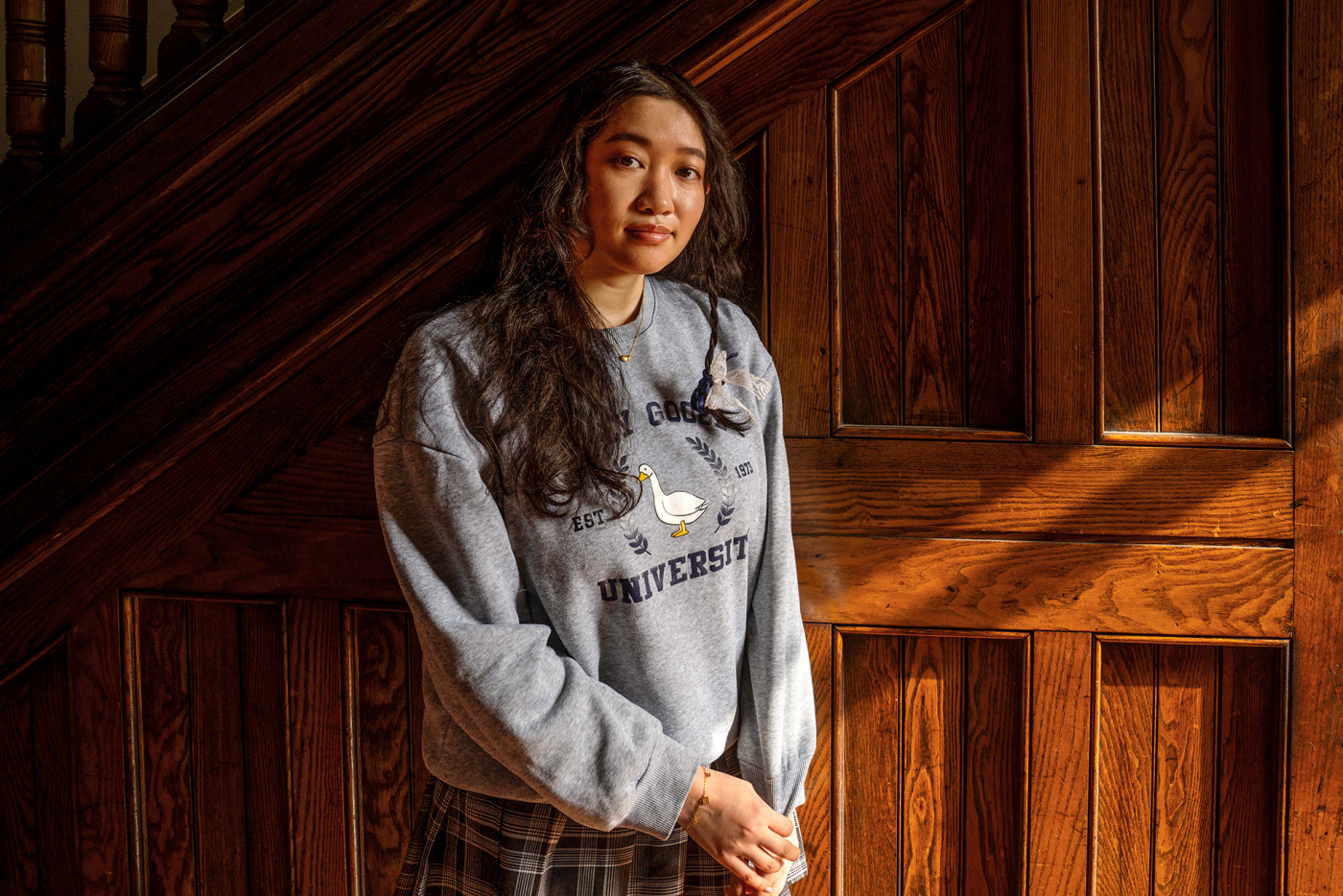
At Bansal’s gathering, he said that “I felt it was wrong of me to feel so upset because I hadn’t been at or near the shooting and I didn’t know any of the students who were killed or injured. But it still felt like someone had broken into my home and hurt people I really care about.”
A warm embrace
There was an overwhelming outpouring of both grief and Brunoniaphilia from the global Brown community after the shooting. Alumni, parents, and faculty emeriti expressed their dismay on social media that such violence could reach a campus many remembered as a sun-dappled hilltop haven.
The hashtag #EverTrue (Brown’s unofficial motto) surged on digital channels around the world.
This digital support was mirrored by immediate, local hospitality. In Providence, dozens of faculty, staff, and alumni opened their homes to students barred from their dormitories during the police investigation, providing meals, phone chargers, and a place to process the shock. In one instance, writer Brett W. Summers and her spouse, Dr. David Anthony, a professor at Brown’s medical school, encountered a displaced student at a local Indian restaurant. They invited her to stay the night with them and their teenage daughter, an act of grace later chronicled by Summers in the Boston Globe.
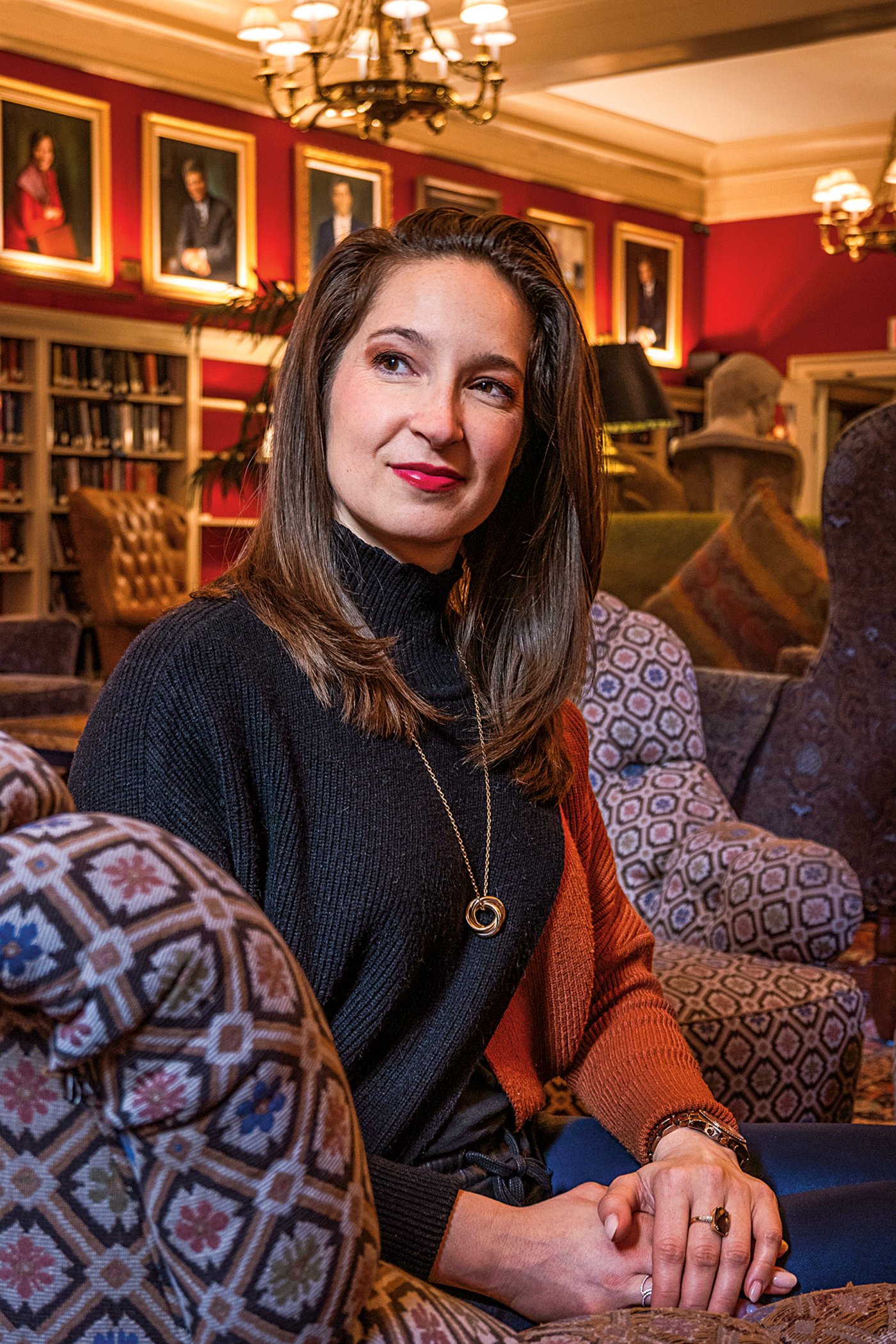
“It was like a big bear hug went out across the world,” said Langway. “I have friends who have nothing to do with Brown who reached out to me to offer care and support because they know how much I love this place.”
Langway himself went to a gathering in Mansfield, Massachusetts, attended by about 20 students. “Some of them brought friends and family, which made it very warm,” he said. He later went to another one in Washington, D.C. “It was beautiful to see joy, optimism, and hope amidst grief. Students were talking about restaurants they wanted to try when they got back to Providence, or about how they were looking forward to sitting on the Main Green on a nice spring day.”
Diana Jeffery ’04, the founder and managing partner of JadePoint Consulting, hosted two D.C. events (which Jeffery co-organized with Hannah Malvin ’10) at The University Club—complete with a fireplace, wingback chairs, and finger sandwiches.
Jeffery’s closeness to Brown compelled her to act. “I had just been at Brown a few weeks before for a conference on women in business and it was the happiest moment I’d had in 2025,” she said. “So to have my happy place tarnished was hard for me, and I wanted to do anything I could to bring light and positivity.”
“People were saying, ‘I hope you can move on from this quickly,’ which was well-meaning, but this is the sort of situation where only the people who went through it can truly understand.”
We’ll keep going
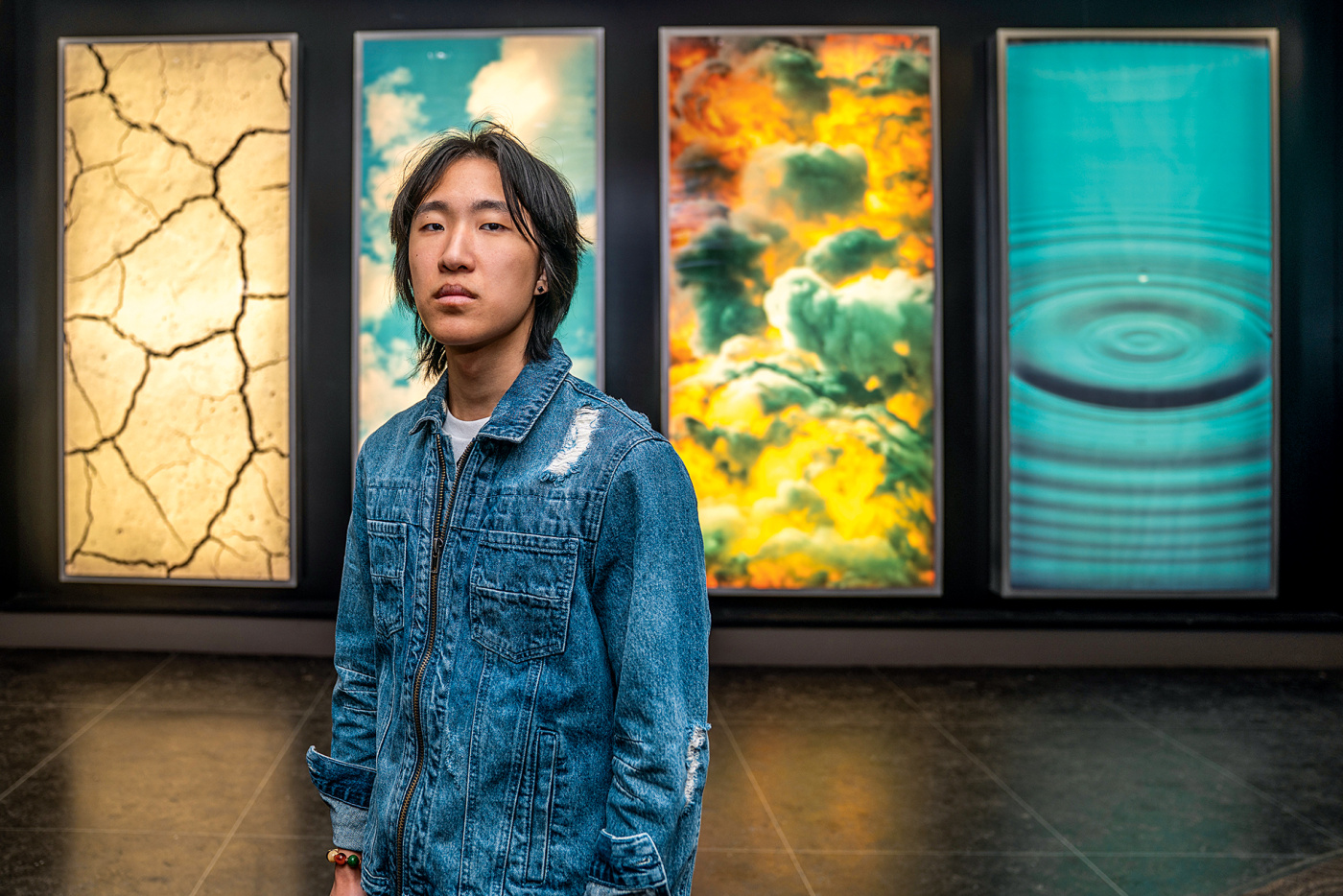
Charlotte Yih ’29 was in a state of shock when she returned to Rego Park, Queens, after Brown closed its campus. The first-year student also badly missed her friends.
“People were saying, ‘I hope you can move on from this quickly,’ which was well-meaning, but this is the sort of situation where only the people who went through it can truly understand,” Yih said.
So Yih decided to attend a Brooklyn, New York, get-together hosted by Chichi Anyoku ’14, who works for an affordable housing operator, and her sister, Ife Anyoku ’22. Yih brought her parents. She said Anyoku’s gathering filled a deep need she had to be among people from Brown.
Chichi Anyoku is a former alumni trustee of the Corporation of Brown University, Brown’s governing board, and very shortly after the shooting she suggested such events to Brown President Christina Paxson.
A recurring theme that Anyoku noticed at her gathering was that students, in general, were excited about returning to campus. “One said that what had happened at Brown was tragic but that Brown itself wasn’t tragic.”
When Jason Wu ’27 went back to campus in January, the physics concentrator from Forest Hills, Queens, “walked up the hill with my suitcase in 10-degree weather, and the first thing I saw was the Van Wickle Gates with memorial flowers and candles everywhere,” Wu said.
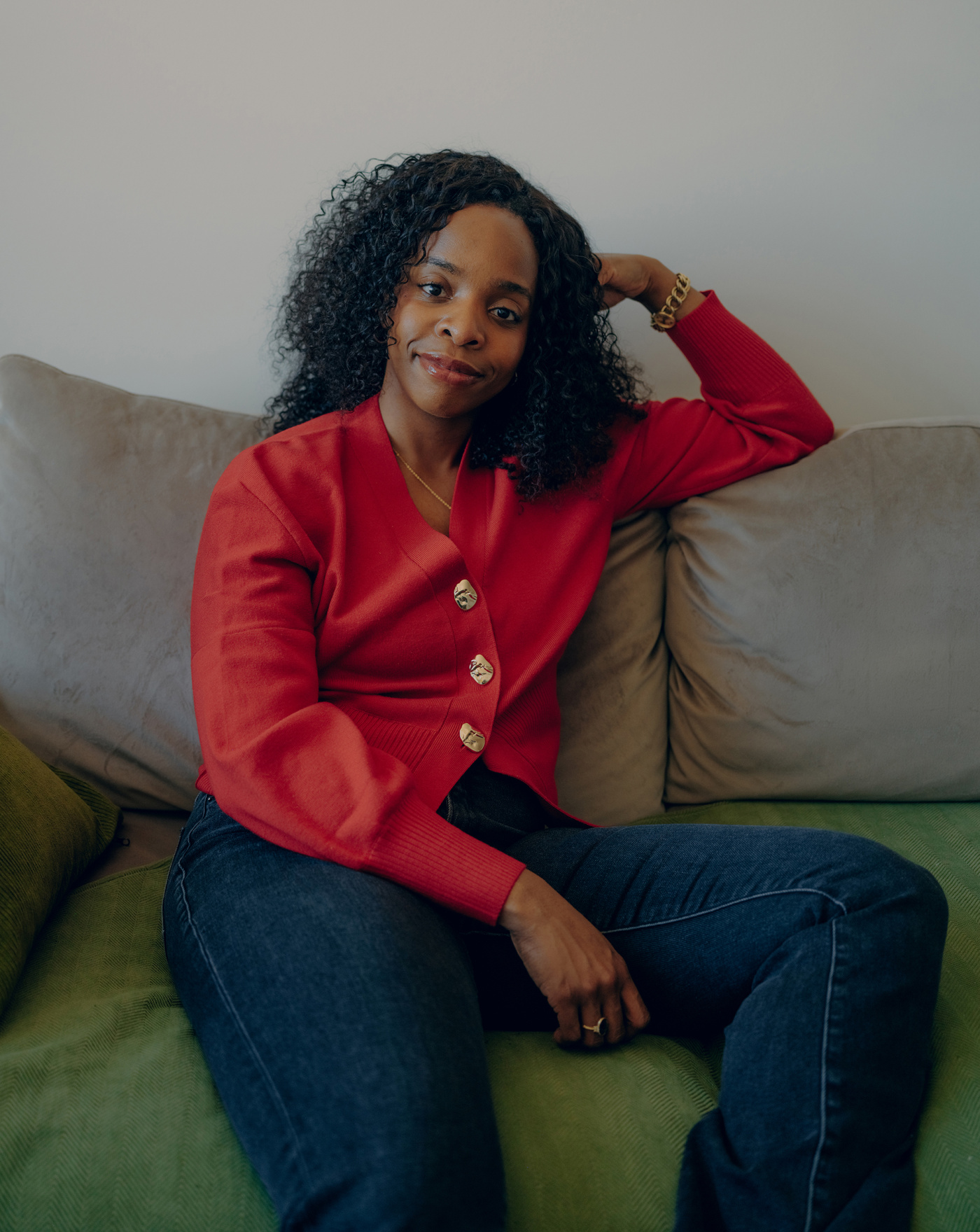
“I stood there and had a moment of silence.”
The next day, Wu went to a class in Barus & Holley, only to find that the part of the building where the shooting took place had been blocked off and another area of the building had been renovated, complete with new rugs.
“My friends and I were talking about how weird it all is and how we don’t know how to process it exactly,” Wu said. “We couldn’t grieve super-hard because we didn’t know the two victims, but it still feels so personal because this is our school. And our science building.”
These confusing feelings are what Bansal, in Seattle, wanted to address with students. After hosting her event at the library, she “felt emotionally drained—it was intense. But I also felt so connected to Brown,” she said. As her event was winding down, someone passed around their phone to create a thread for a hiking excursion over the break. “It was really nice to see the students leaning on each other.”
After Meader Yetter returned to campus from Linwood, Washington, he said that “a lot of feelings are bubbling up for me as I go by the memorials.” Then he began to cry. “Brown is probably where I’ve been the happiest in my entire life,” he said. Bansal’s gathering “made me realize that Brown was around long before [the shooting] happened—and that we’ll keep going.”