
Related Issue
Spring 2026
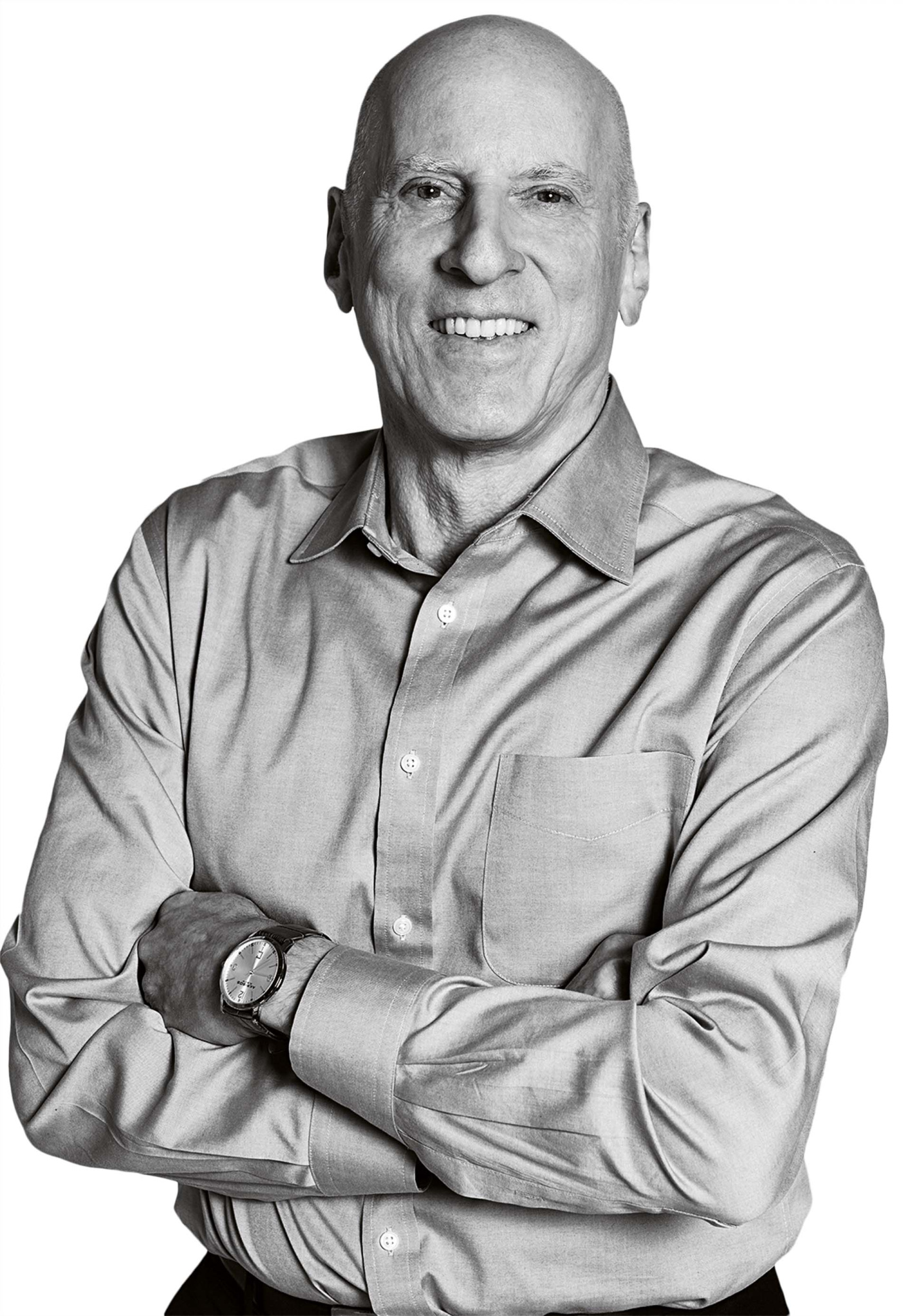
In his AARP column, psychologist and family therapist Barry Jacobs ’80 shares wisdom based on experiences from age 14, when his father was diagnosed with brain cancer. Now, in The AARP Caregiver Answer Book, Jacobs and his wife, Julia L. Mayer, respond to 150 questions they have fielded. Here is his advice on the topics that come up the most:
SIBLING STRUGGLES “The question I hear most often is ‘How do I make my brother help with care for our parents?’” says Jacobs. “Women are furious at brothers who get off scot-free while daughters do the work.” Often, trouble starts when siblings have clashing ideas on one another’s availability (distance, job, kids), ability (physical, financial, or organizational), and willingness. Replace blanket grievances with “Can you take Dad to PT Friday at 3?,” he suggests. If your sibling’s reluctance to help stems from their fraught history with a parent, reframe it: “This isn’t about Dad—it’s about us.”
GUILT & GRACE When people ask, “How can I stop feeling guilty?,” Jacobs is frank: You won’t—not entirely. People make mistakes—forgetting to pick up meds, missing an appointment, or snapping at the person they’re caring for. Give yourself grace and work on letting go of perfection.
GETTING HELP Jacobs urges caregivers to think like managers, not solo workers. Learn about your loved one’s condition and needs through their medical team and trusted sites such as Mayo Clinic. For older adults, eldercare.gov can connect families with local services, some of which may be low- or no-cost. “When I was taking care of my mom, neither she nor I wanted me to help her in the shower—so I hired someone else,” says Jacobs.
AVOIDING BURNOUT “Nobody runs past the water station in a marathon saying, ‘I’m not thirsty,’” says Jacobs. “But caregivers do that all the time.” The key is replenishing along the way. You can even take breaks when you’re with your loved one, such as enjoying your audiobook while they watch a ballgame. Burnout shows up as irritability and dread. Remember: “Your role isn’t to do it all. It’s to help your loved one make a soft landing.”