
Related Issue

Spring 2026
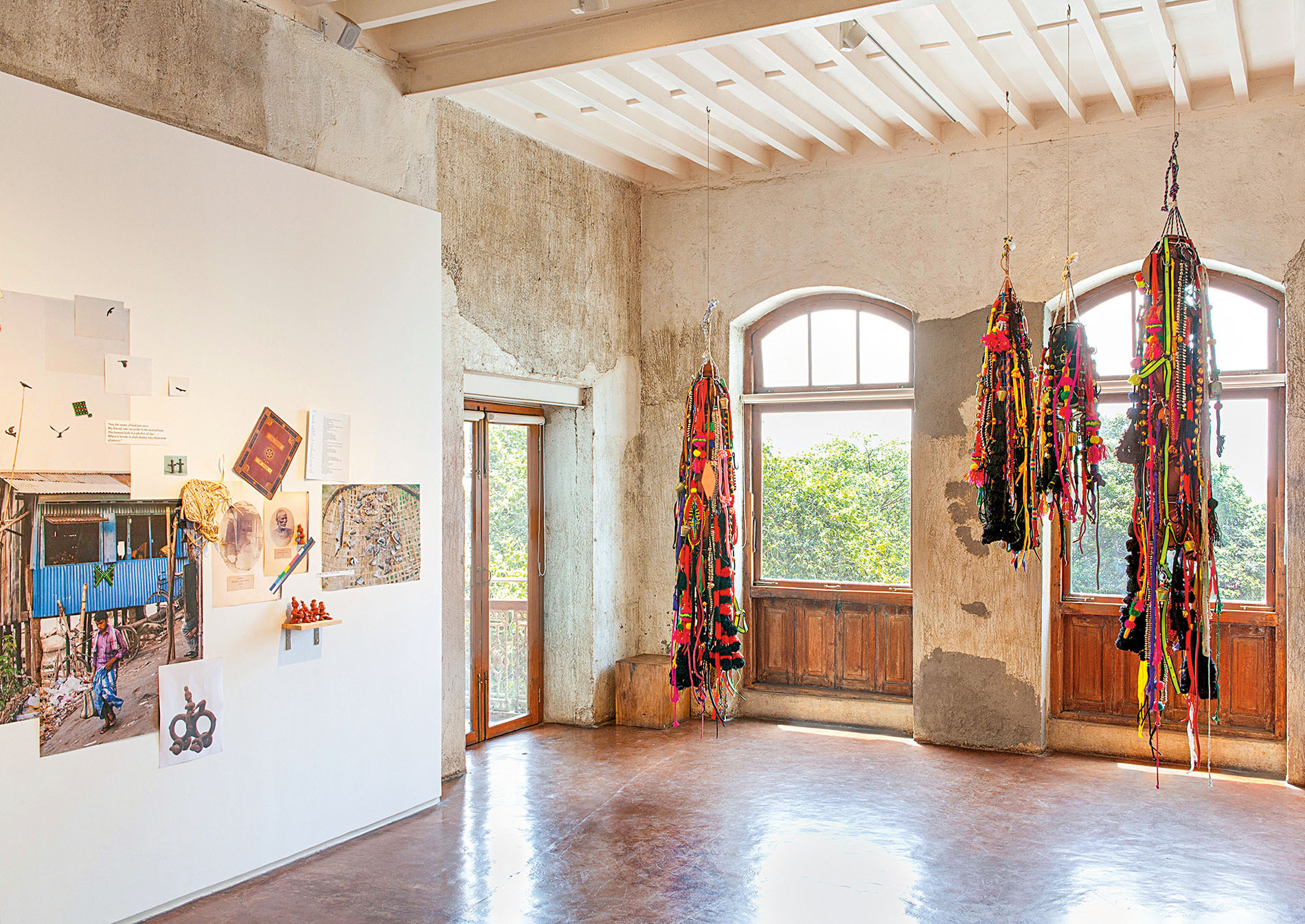
After Brown, comp lit concentrator Amrita Jhaveri ’91 was working for an arts nonprofit in Mumbai when she landed a big art-world opportunity. Christie’s, the leading global auction house, tapped her to launch a Mumbai office for them to promote sales of modern and contemporary Indian art—then a mostly ignored corner of the market. “At the time, I was trying to sell M.F. Husain”—probably India’s most famous 20th-century artist—“for $10,000,” she says. “Now one of his works just sold for nearly $14 million”—as Art News put it, “shattering the auction record for modern Indian art.”
Jhaveri was raised in Mumbai by a father who collected art and took his daughters to exhibitions on weekends. “But I didn’t really know that you could study it until Brown, where I took classes,” she says, “even though there was no class on contemporary South Asian art.”
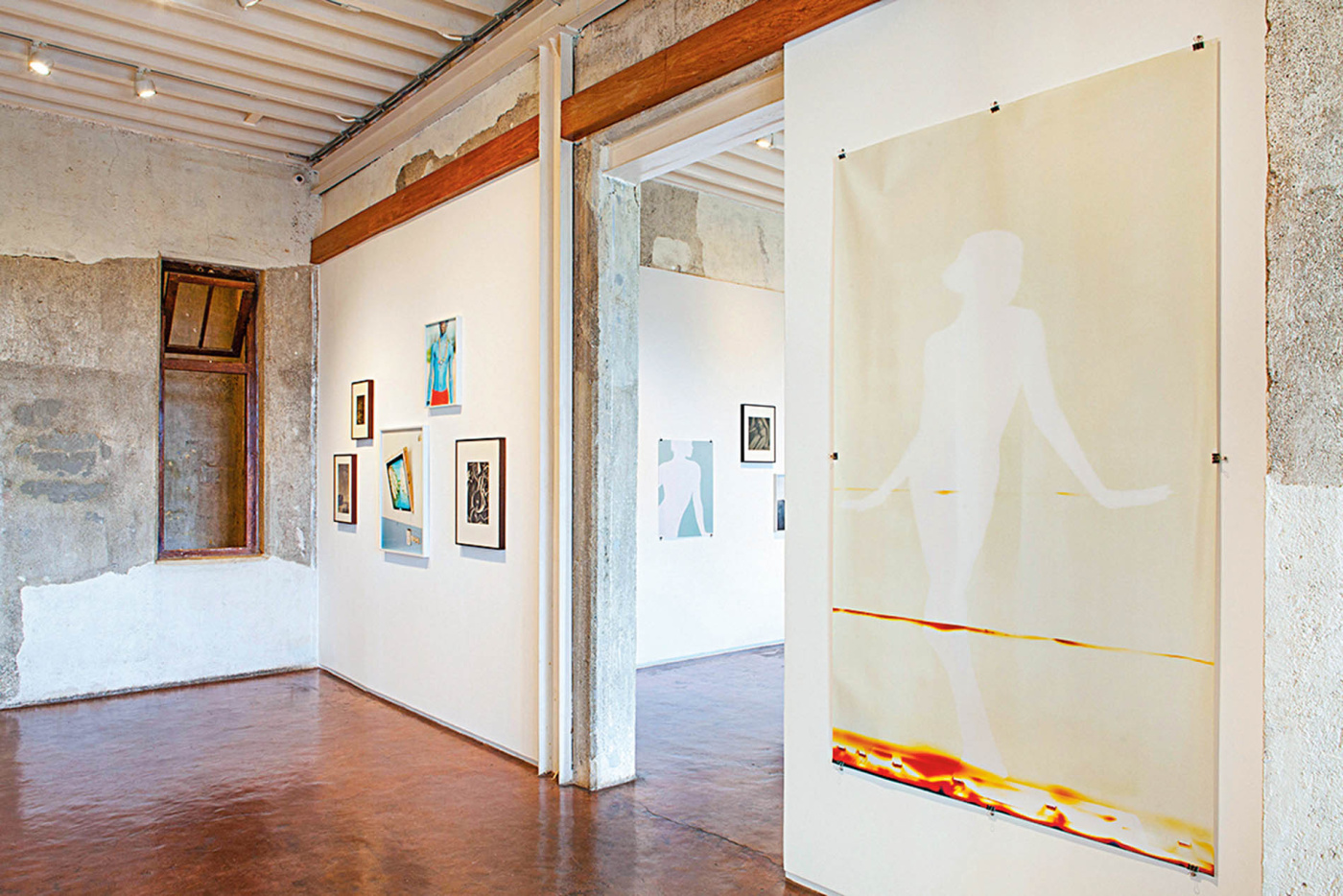
She left Christie’s in 2000, cowriting with her sister Priya a collector’s guide to the contemporary Indian art market—a collaboration so satisfying that in 2010 the two launched Jhaveri Contemporary gallery out of an apartment in Mumbai, even while putting together a massive show in an old Bollywood soundstage of the work of art superstar Anish Kapoor.
In the art world, a gallerist knows they’ve hit the next level when they start selling not only to individual collectors but to prestigious museums. Jhaveri, who specializes in artists who either are just starting out or have been long overlooked, such as women and queer people, has placed work in London’s Tate Contemporary (Mohan Samant) and NYC’s Metropolitan Museum (Zahoor ul Akhlaq) and MoMA (Mrinalini Mukherjee and Anwar Jalal Shemza) and has showcased artists at prime exhibitions, including Documenta (Lionel Wendt) and the Venice Biennale (Monika Correa).
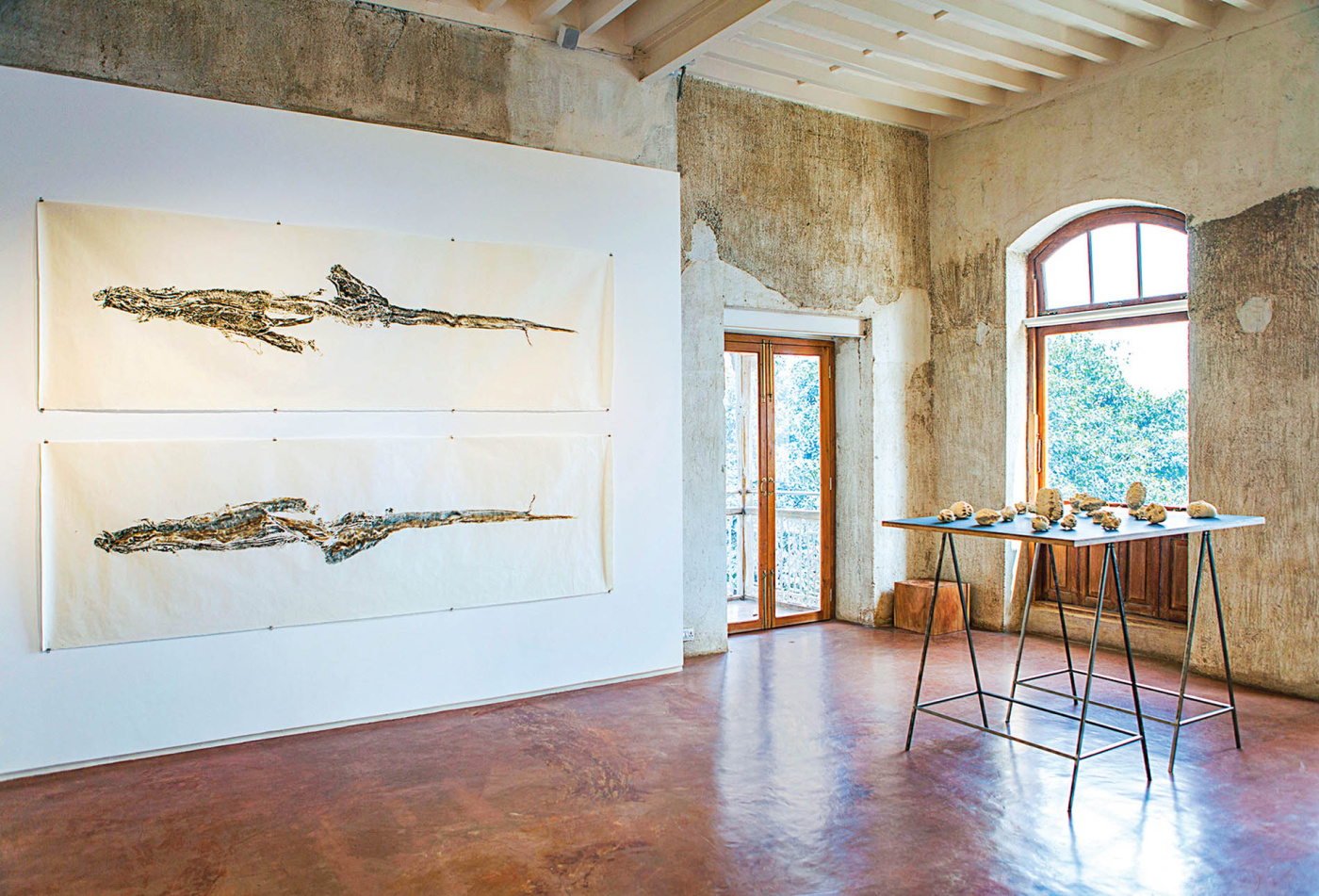
She’s overjoyed to have found platforms for artists whose work she calls powerful but underappreciated: “It’s a dream for me to be able to work with Indian artists outside India who were seeking a connection to their heritage,” she says. “I’ve witnessed so many mature artists who’ve been written out of the art histories of the places their families came from.” But she loves fresh finds, too: “After all these years, I still visit younger artists’ studios and look for ways to support them.”
“We’ve been profitable since year two, which is incredible for a gallery,” Jhaveri says. But she has resisted the typical art-market urge to get bigger and glitzier. “It would be so easy now for me to just sell a Husain, make some money, and move on,” she says. “But the ability to work with artists whom nobody might’ve heard of and then five years later, everybody knows them—I think that’s pretty amazing.”