
Related Issue

Fall 2026
Perrin Roosevelt Ireland ’08 will tell you that a barnacle has the longest penis in the animal kingdom relative to its body size, sometimes reaching up to 40 times its body length.
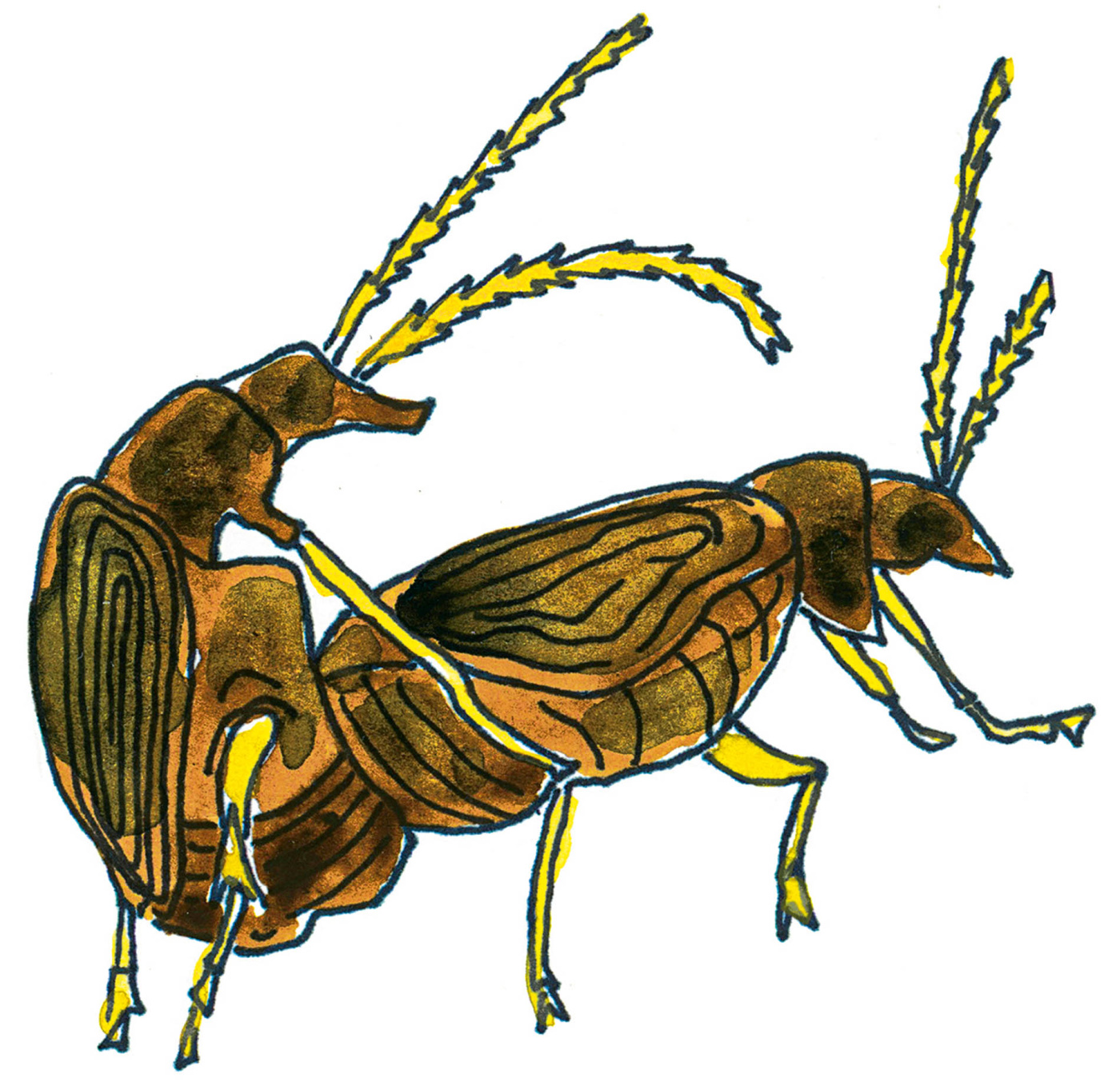
The reason? Barnacles are sessile, so in order to reproduce they need to reach neighboring barnacles “glued” to far-off spots on a humpback whale or the hull of a boat.
Animal procreation facts like that give Ireland a “sense of wonder that reminds me animals are just as evolved and good at living as we are.”
Ireland wrote about the sexual lives of barnacles and myriad other animals in Poking the Squid: What We Can Learn from Animal Sex. The provocative book celebrates species richness and invites readers to embrace their own diversity.
“Examining animal sex forces us to look at how we view our own sexuality—our cultural norms, our fears, and what we deem allowed,” said Ireland.
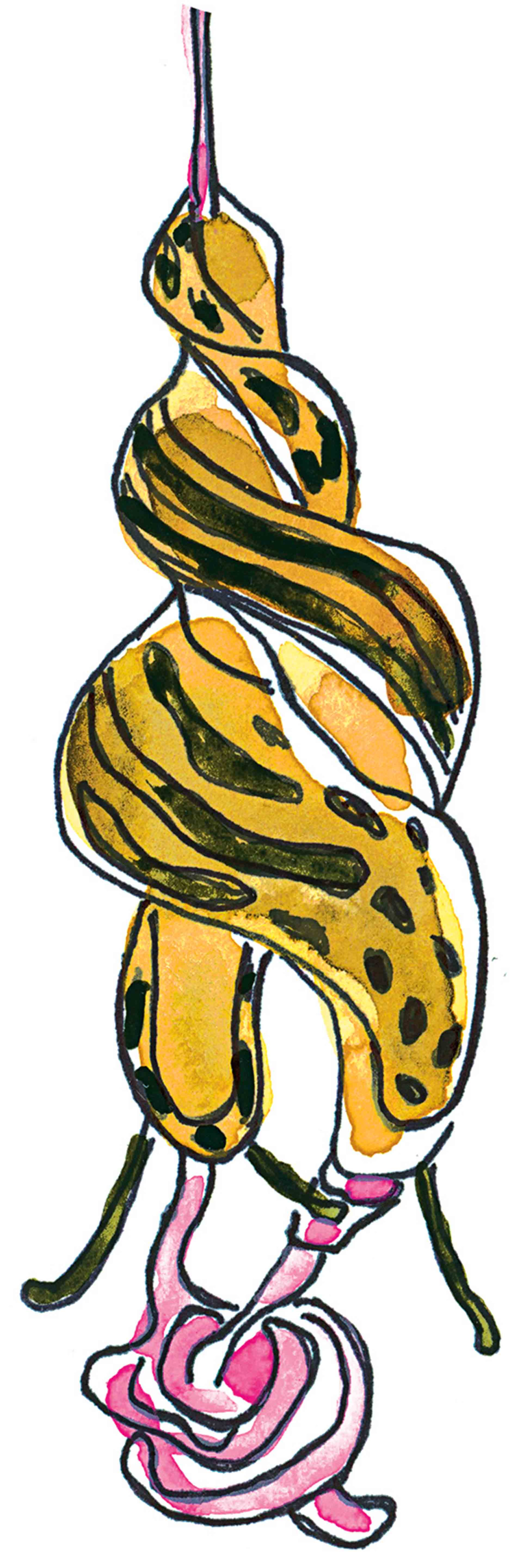
When we actually listen to nature, we see that life is a sexual genius. There is an incredible, shocking, and often hilarious diversity in how life insists on reproducing. Millions of species are ‘getting their rocks off’ in creative ways, and don’t we want to live in a world that celebrates [that]?”
Ireland has been “making the science academy accessible” through art since she was a student at Brown in Professor Casey Dunn’s biology lab. Dunn, now a professor of ecology and evolutionary biology at Yale, encouraged Ireland to draw her scientific discoveries. (Ireland’s classmates also asked to borrow her illustrated lab notes—not to copy but to hang on their refrigerators.)
“That lab was the incubator for the intellectual argument I continue to make today: that it is possible to engage seriously with science through comics. Being taken seriously at a place like Brown was a huge part of developing my way of working.”
That early experience laid the foundation for Ireland’s career as a visual storyteller, leading to such jobs as the senior science communications specialist at the National Resources Defense Council. Her artwork has been published in Discover, Nature, Scientific American, and The Rumpus. She serves on the board of the Roosevelt Institute, was an inaugural artist in residence at the New York Aquarium, and is a Banff graphic novel resident.
As a sort of undercover artist with a science degree, Ireland also creates watercolor animated videos, transforming a wonky text like the Migratory Bird Treaty Act (MBTA), enacted in 1918, into a somewhat zany video about how the MBTA and other laws protect species like the Atlantic puffin.
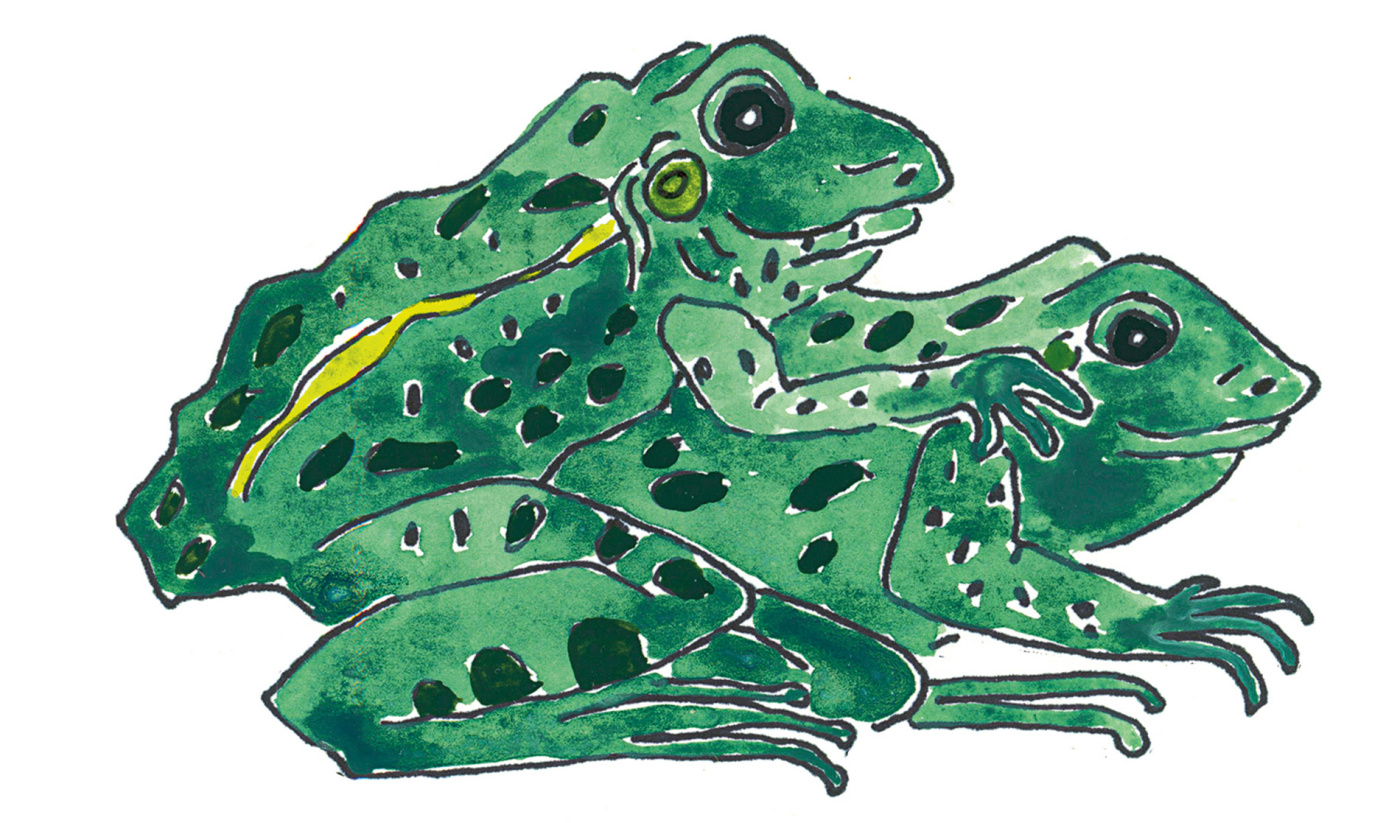
“I write the scripts in my own voice, create the art, and work with a creative team to animate it. It’s a joyful invitation to deepen our stake in the fate of these animals,” Ireland said. “They aren’t just creatures; they are symbols of why we need to push back against the commodification of our clean water and air.”
Ireland has loved animals since she was a kid, when she became enamored with dolphins. Poking the Squid, like most of Ireland’s work, helps readers recapture a childhood love of animals. “Every kid has a favorite animal and a rich dialogue with nature, but we trade that for ‘adult’ concerns,” she said. “I didn’t want to let that go. I knew I wanted to tell stories about animals in conversation with science, rather than inside the traditional academy.”
She notes that since the publication of Poking the Squid, the International Union for Conservation of Nature has listed the emperor penguin and the Antarctic fur seal as endangered species.
“Animals need all the advocates and obsessives they can get right now,” Ireland said.