
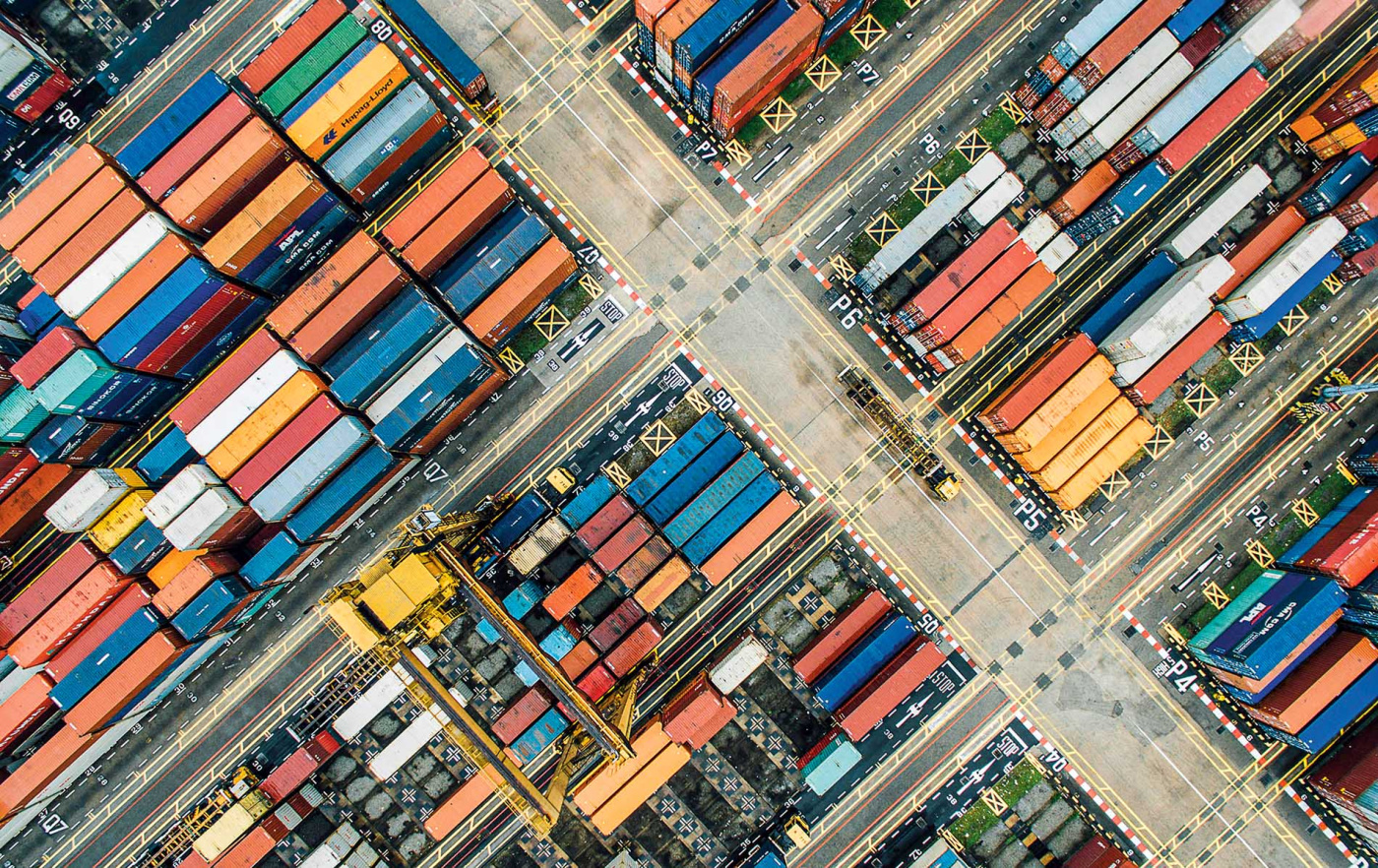
The Port of Singapore is among the largest and busiest in the world. Roughly a fifth of the world’s shipping containers and more than half of the world’s crude oil shipments pass by its docks every year.
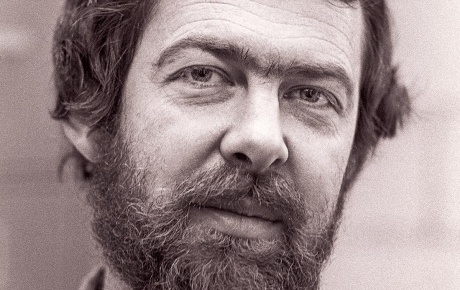
To support such volume, the Port of Singapore Authority (PSA) has become a world leader in using autonomous vehicles to handle the exhausting, logistically complex, and high-stakes work of moving shipping containers around the port. Leading this transformation is Heidi Wyle ’78, co-founder and CEO of Venti Technology, headquartered in Weston, Mass.
“Autonomy is such a difficult science,” said Wyle. “But our goal is to enable the total transformation of the supply chain.”
After seven years of work, Venti is well on its way. Today, the company operates a fleet of dozens of autonomous vehicles around the clock at Singapore’s port and Venti’s technology is already optimizing global supply chains.
Venti began with an autonomous wheelchair developed by Daniela Rus, one of Wyle’s friends from her time at MIT and one of the world’s most prominent researchers on autonomous vehicle systems. “Daniela brought a self-driving wheelchair she had built to MIT and we watched it drive around, and then someone who actually needed a wheelchair used it and had the most positive reaction,” said Wyle. “So Daniela and I started the company that night.”
They quickly scrapped the wheelchair idea; personal mobility wasn’t a large enough market for a venture-backed company. But then an opportunity arose to pilot Venti’s autonomous-driving platform at the Port of Singapore. Although she had no experience with logistics or shipping, Wyle knew a good opportunity when she saw one. “We got really lucky,” she said.
In many respects, developing autonomous vehicles for enclosed spaces like ports or warehouses is simpler than doing so for vehicles that must navigate city streets. But it also comes with its own unique challenges. For example, PSA requires that Venti’s vehicles be able to drive in any weather. That’s especially challenging during Singapore’s monsoon season, because rain drops can create a scattering effect for a vehicle’s sensors. So Wyle and her team built an algorithm capable of overriding that.
Additionally, the container vehicles running Venti’s AI must have centimeter precision to ensure the safety of workers and cargo. Even a small error like a lost container or damaged delivery can result in millions of dollars in economic
damage. According to Venti, their tech can park 50-foot tractor trailers with 2.5 centimeter precision.
Wyle said Venti will soon be bringing its technology to U.S. ports, warehouses, airports, and other logistics hubs. “This is really powerful technology that is going to sweep the industrialized world like wildfire. I look forward to helping my nation with it.”