
Related Issue

Fall 2026
In 1576, the Discalced Carmelite nun Teresa de Jesús departed the Seville convent she had founded for the last time, entrusting it to her friend and protegée María de San José. Over the next six years, until Teresa’s death in 1582, their friendship grew fractious; jealousy, distance, and money troubles were all, at different points, to blame.
But no matter how they quarreled, the nuns always made up—bound by personal affection and professional obligation. “If only you will love me as much as I love you; I forgive you all you have done and will do,” Teresa wrote in a letter to María after leaving Seville, Spain.

As PhD candidates in Hispanic Studies at Brown, Ana Garriga ’19 AM, ’24 PhD, and Carmen Urbita ’20 AM, ’25 PhD, saw within these letters a reflection of their own friendships—and a counterpoint to the dogma of self-help. “We remain wary of certain therapeutic approaches that encourage severing relationships that we deem too toxic,” they write in Convent Wisdom: How Sixteenth-Century Nuns Could Save Your Twenty-First-Century Life (Avid Reader Press). Instead, guided by the nuns, Garriga and Urbita advocate for attempting to resolve conflict within a community and sustaining friendships, “even when the temptation arises to cut someone loose.”
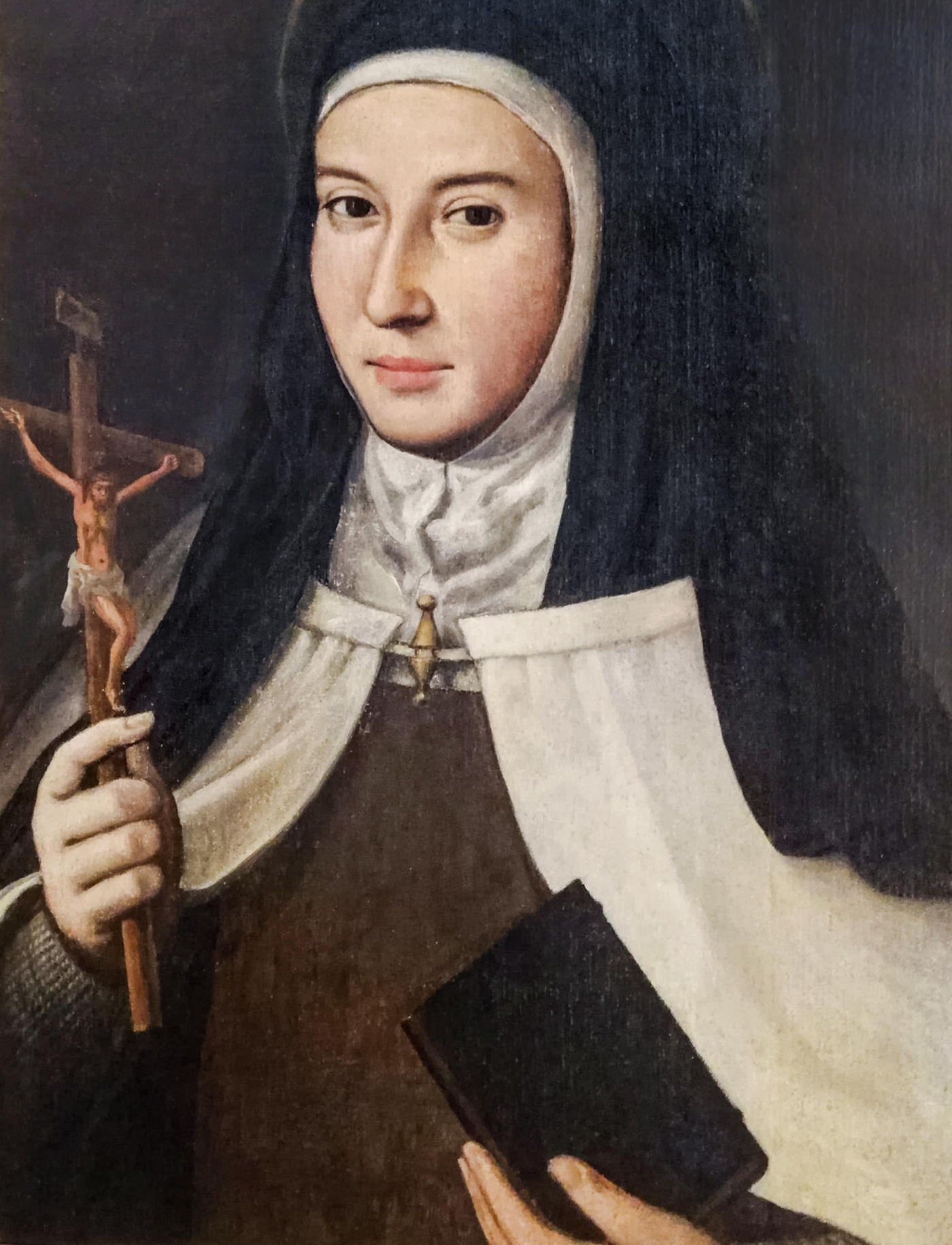
Convent Wisdom, their “playful nod to the self-help manual,” as Urbita puts it, stemmed from the pair’s hit nun-themed podcast, Las Hijas de Felipe, named for a 16th-century portrait of a Spanish king’s daughters, whose drawn, exhausted faces mirrored Garriga and Urbita’s own moods. The podcast covered “historical gossip, baroque dramas, and forgotten lives. Nuns, demons, lies, alchemy, recipe books, gold.”
The book is similarly irreverent, linking pop culture and the authors’ lives to scholarship on early modern nuns, the ones who, according to the book, “ate spiderwebs, erupted into jealous fights over makeup, and chain-produced manuscripts for extra cash.” Along the way, it derives tongue-in-cheek life lessons. No matter the differing personalities, “these communities of women had to live together, and they had to deal with one other, and they had to take care of one another,” Garriga said.
Garriga and Urbita began studying nuns through their interest in writings by women in the “early modern period”; some of the most robust examples appeared in convent archives, which housed letters and spiritual autobiographies from the 16th and 17th centuries. During their time at Brown, Garriga and Urbita spotted references to convent life on social media and in film, music, and literature and wanted to draw real historical nuns into this cultural conversation, but in the academic practice they were encouraged to write about their research in a detached voice, which felt at odds with the personal identification they felt with the nuns, Garriga said. They developed Convent Wisdom as an antidote—showing how the cloistered lives of the nuns didn’t insulate them from sharing concerns and frustrations with women throughout the ages.
“It could be devastating to think you’re still using this same vocabulary of early modern women to talk about current desperation. It’s like, ‘Oh, nothing has changed,’” Urbita says. “But no, I think it gives us a sense of being able to have a dialogue with these early modern women.”